Sage
Salvia officinalis
Herbs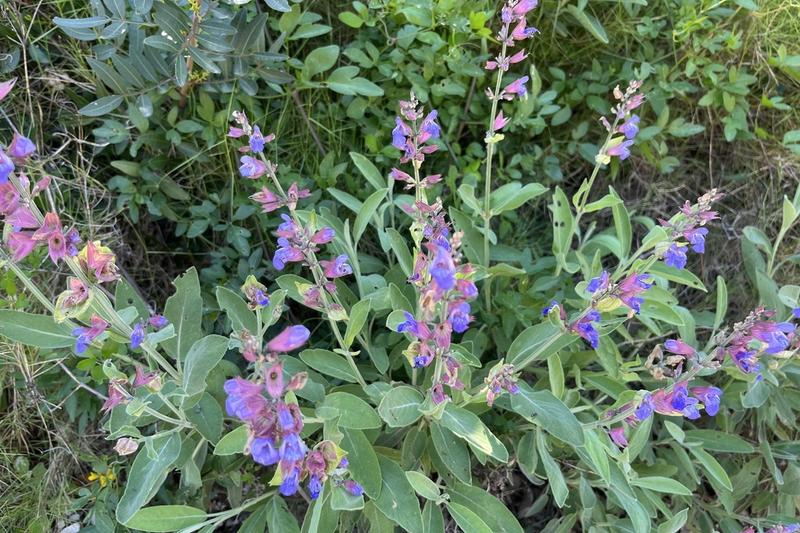
Quick facts
- Watering
- Fortnightly once established
- Sunlight
- Full sun
- Soil
- Well-drained, sandy or loamy
- Humans
- Safe
- Cats
- Toxic
- Dogs
- Toxic
- Height
- 40–60 cm
- Spread
- 45–75 cm
- Spacing
- 45–60 cm apart
- RHS recognition
- Award of Garden Merit
About Sage
Sage is an evergreen Mediterranean shrub prized for its aromatic grey-green leaves and culinary versatility. Native to the Mediterranean region, it has been cultivated in British gardens since medieval times for both kitchen and medicinal use. UK gardeners value sage for its drought tolerance, attractive foliage, and ability to thrive in sunny borders and herb gardens. The plant produces spikes of purple-blue flowers in early summer that are highly attractive to bees and other pollinators.
UK fact: Sage has been grown in British monastery gardens since at least the 14th century and was considered so valuable that it featured in the medieval saying 'Why should a man die whilst sage grows in his garden?'
Watering Sage
Water newly planted sage regularly for the first growing season to establish a deep root system. Once established, sage requires minimal watering and can tolerate dry spells typical of British summers. Overwatering is the most common cause of failure, particularly in heavy soils or during wet UK winters. In containers, water only when the top 5 cm of compost feels dry to the touch.
Sunlight requirements
Position sage in a south or west-facing spot where it will receive at least six hours of direct sunlight daily. In the UK, plants grown in shadier positions become leggy, produce fewer aromatic oils, and are more susceptible to fungal diseases. A sunny, sheltered spot against a warm wall is ideal in cooler northern regions.
Soil and feeding
Plant sage in light, well-drained soil with a neutral to slightly alkaline pH of 6.5–7.5. If your garden has heavy clay, improve drainage by incorporating horticultural grit and organic matter, or grow sage in raised beds or containers. Mediterranean herbs like sage struggle in wet, compacted soils common in many UK gardens, so good drainage is essential for winter survival.
Apply a light dressing of general-purpose fertiliser or blood, fish and bone in early spring. Avoid high-nitrogen feeds which promote lush foliage at the expense of flavour and hardiness. Container-grown plants benefit from a monthly liquid feed at half strength during the growing season.
Pruning Sage
Cut back sage by about one-third in late April or early May, just as new growth begins, removing any frost-damaged shoots. Avoid cutting into old, woody growth as sage is reluctant to regenerate from bare wood. Light trimming after flowering helps maintain shape and encourages fresh foliage. Replace plants every four to five years as they become woody and unproductive.
Propagating Sage
Take 10 cm cuttings from non-flowering shoots in May or June for best results. Sage can also be propagated from semi-ripe cuttings in July and August, or by layering stems in spring. Seed-grown plants are variable and slower to establish, so vegetative propagation is preferred. Cuttings root readily in the UK climate without bottom heat.
Common problems
Sage is generally trouble-free but can suffer from powdery mildew in humid conditions or overcrowded plantings. Rosemary beetle and its larvae may feed on leaves, causing notched damage, though infestations are rarely serious. Root rot and stem dieback occur in poorly drained soils, particularly during wet UK winters. Older plants become woody and less productive, requiring replacement every four to five years.
Spot a problem with your plant? Photograph the affected area using the Loam app and it will suggest the most likely cause and treatment.
Safety
- Humans
- Safe
- Cats
-
Toxic
Contains essential oils that can cause gastrointestinal upset and central nervous system depression in cats if consumed in large quantities.
- Dogs
-
Toxic
Contains thujone and other compounds that may cause vomiting, diarrhoea, and central nervous system effects in dogs if consumed in significant amounts.
Toxicity information is for general guidance only. If a pet has been exposed to this plant and you are concerned, seek advice from a vet.
Seasonal care calendar
Monthly care guide for Sage in the UK, based on average conditions.
| Month | Care tasks |
|---|---|
| January | No action needed. Protect plants from severe frost with fleece if temperatures drop below -10°C. |
| February | Check for frost damage and remove any dead or damaged growth. Ensure good drainage around plants during wet weather. |
| March | Begin light harvesting of fresh leaves. Apply a light dressing of general-purpose fertiliser around established plants. |
| April | Prune plants by one-third to encourage bushy growth. Plant out new sage plants after the last frosts. Take softwood cuttings towards month end. |
| May | Take softwood cuttings for propagation. Harvest leaves regularly to encourage fresh growth. Water newly planted sage during dry spells. |
| June | Enjoy purple-blue flower spikes attractive to bees. Deadhead after flowering to encourage more foliage. Continue taking cuttings. |
| July | Take semi-ripe cuttings. Harvest leaves for drying before flowering for best flavour. Trim lightly after flowering to maintain shape. |
| August | Continue harvesting fresh leaves. Take final semi-ripe cuttings early in the month. Water container plants during dry periods. |
| September | Reduce watering as growth slows. Harvest leaves for drying and freezing before the first frosts. |
| October | Plant out rooted cuttings in their final positions. Reduce harvesting to allow plants to harden off before winter. |
| November | Clear fallen leaves from around plants to prevent fungal problems. Check drainage around plants before winter rains. |
| December | Harvest sparingly for fresh use. Protect young plants with fleece during severe cold snaps. |
Frequently asked questions
- When should I prune sage in the UK?
- Prune sage in mid to late spring (April-May) after the risk of hard frost has passed. Cut back about one-third of the previous year's growth, shaping the plant into a rounded mound. Avoid cutting into old, woody stems as sage rarely regenerates from bare wood. Light trimming after flowering in summer encourages bushier growth. Regular annual pruning helps delay woodiness, but plants typically need replacing every four to five years.
- Why are the leaves on my sage turning yellow?
- Yellow leaves usually indicate overwatering or poor drainage, especially in heavy soils. Sage prefers to dry out between waterings. Check drainage and reduce watering frequency. Yellowing can also occur from nutrient deficiency in container plants or natural leaf drop in autumn. If you're unsure what's causing the problem, the Loam app can help diagnose the issue through photos and provide personalised care advice based on your specific growing conditions.
- How do I propagate sage from cuttings?
- Take softwood cuttings in late spring or semi-ripe cuttings in summer. Cut 7-10cm shoots just below a leaf node, remove lower leaves, and insert into gritty compost or a mix of compost and perlite. Keep cuttings in a bright spot out of direct sun and maintain humidity with a plastic bag or propagator. Roots typically form within 3-4 weeks. Pot on individually once established. This is an excellent way to rejuvenate old woody plants.
Got a question about growing Sage that isn't covered here? Ask the Garden Advisor in the Loam app. It knows your saved plants and local conditions.
Related plants
This page was compiled with AI assistance and reviewed by our team. .