Rosemary
Salvia rosmarinus
Herbs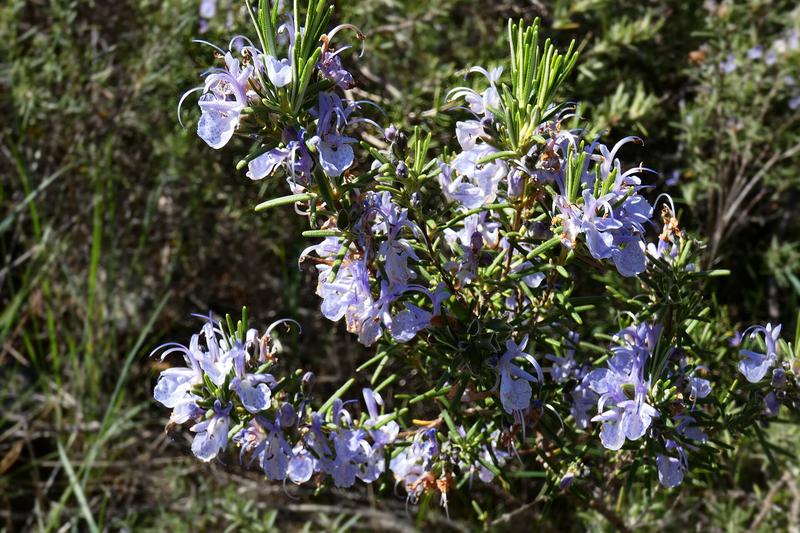
Quick facts
- Watering
- Fortnightly once established
- Sunlight
- Full sun
- Soil
- Well-drained, sandy or gravelly
- Humans
- Safe
- Cats
- Safe
- Dogs
- Safe
- Height
- 60–150 cm
- Spread
- 60–120 cm
- Spacing
- 60–90 cm apart
- RHS recognition
- Award of Garden Merit
About Rosemary
Rosemary is an evergreen Mediterranean shrub with aromatic, needle-like leaves and pale blue flowers that appear from spring through summer. Native to the rocky hillsides of southern Europe, it has been cultivated in British gardens since the 14th century for culinary and medicinal purposes. UK gardeners prize rosemary for its year-round foliage, drought tolerance once established, and ability to thrive in sunny borders, containers, and herb gardens. The fragrant leaves are indispensable in British kitchens for roast lamb, potatoes, and Mediterranean-inspired dishes.
UK fact: Rosemary has been grown in British monastery gardens since medieval times and was traditionally used in wedding bouquets and funeral wreaths, symbolising remembrance—a tradition referenced in Shakespeare's Hamlet when Ophelia says 'There's rosemary, that's for remembrance'.
Watering Rosemary
Newly planted rosemary needs consistent moisture for the first 12 months to develop a strong root system, requiring watering once or twice weekly during dry weather. Once established, rosemary is remarkably drought-tolerant and typically needs watering only every two weeks during summer dry spells—overwatering is the most common cause of failure in UK gardens. Container-grown plants dry out faster and may need watering twice weekly in summer, but always check the top 5cm of compost is dry before watering. In winter, outdoor plants rarely need supplementary water as our natural rainfall is usually sufficient.
Sunlight requirements
Position rosemary in a south-facing or west-facing spot that receives at least six hours of direct sunlight daily. In the UK, plants grown in partial shade become straggly with reduced aromatic oil content and are more susceptible to fungal problems in our damp climate. Shelter from cold northerly and easterly winds is beneficial, particularly in northern regions.
Soil and feeding
The key to success with rosemary in the UK is sharp drainage—plants will not tolerate waterlogged conditions, particularly during winter. Ideal soil is sandy, gravelly, or chalky with a pH of 6.5–7.5, though rosemary tolerates slightly alkaline conditions well. On heavy clay soils, incorporate plenty of horticultural grit or sharp sand and consider planting on a slope or in raised beds to improve drainage. Container plants should be grown in a loam-based compost such as John Innes No. 2 mixed with 30% horticultural grit.
Apply a light dressing of general-purpose fertiliser or blood, fish and bone in early spring if growth seems weak, but avoid overfeeding as this produces soft, sappy growth with reduced flavour and poor winter hardiness. Container-grown plants benefit from a half-strength liquid feed monthly during the growing season from April to August.
Pruning Rosemary
Trim rosemary in late spring or early summer after flowering, removing up to one-third of the current season's growth to encourage bushiness and prevent plants becoming woody and bare at the base. Use sharp secateurs to cut just above a leaf node, making cuts into green, flexible stems rather than old brown wood, which rarely regenerates. Harvest sprigs regularly throughout the growing season to encourage fresh growth. Neglected, leggy plants are difficult to rejuvenate and are often best replaced with young specimens.
Propagating Rosemary
Semi-ripe cuttings taken in August or September root readily and provide the most reliable method of propagation in the UK. Softwood cuttings can be taken in late spring but require more attention to prevent wilting. Layering is also successful for low-growing branches. Seed propagation is slow, unreliable, and seedlings may not come true to type, so is rarely recommended.
Common problems
Rosemary is generally trouble-free in the UK when grown in suitable conditions, but poor drainage causes root rot and fungal diseases, particularly in winter. Rosemary beetle (Chrysolina americana) has become increasingly common since the 1990s, with distinctive striped adults and greyish larvae feeding on foliage from late summer through winter—hand-pick or use organic sprays if severe. Powdery mildew can affect plants in humid conditions with poor air circulation, whilst sudden dieback is often caused by waterlogging or severe frost damage in exposed positions.
Spot a problem with your plant? Photograph the affected area using the Loam app and it will suggest the most likely cause and treatment.
Safety
- Humans
- Safe
- Cats
- Safe
- Dogs
- Safe
Toxicity information is for general guidance only.
Seasonal care calendar
Monthly care guide for Rosemary in the UK, based on average conditions.
| Month | Care tasks |
|---|---|
| January | Protect plants from severe frost with fleece if temperatures below -10°C are forecast. Avoid pruning. |
| February | Check plants for winter damage and ensure good drainage around roots. Brush off heavy snow to prevent branch breakage. |
| March | Apply a light spring feed if needed. Begin harvesting fresh sprigs as growth resumes. Plant out container-grown specimens. |
| April | Plant new rosemary plants outdoors. Water newly planted specimens regularly. Watch for early signs of rosemary beetle. |
| May | Enjoy the pale blue flowers which attract bees and other pollinators. Take softwood cuttings if desired. Harvest regularly. |
| June | Prune lightly after flowering to maintain shape and encourage bushy growth. Continue regular harvesting for kitchen use. |
| July | Water container plants regularly during dry spells. Harvest sprigs for drying or freezing to preserve summer flavour. |
| August | Take semi-ripe cuttings for propagation. Check for rosemary beetle adults and larvae, removing by hand if present. |
| September | Continue taking semi-ripe cuttings. Reduce watering as temperatures cool. Monitor for rosemary beetle damage. |
| October | Move container plants to sheltered positions for winter. Reduce watering frequency significantly as growth slows. |
| November | Harvest sparingly to avoid stressing plants before winter. Check rosemary beetle is not overwintering on plants. |
| December | Harvest fresh sprigs for festive cooking. Protect plants in exposed positions with fleece during severe cold snaps. |
Frequently asked questions
- How do I make my rosemary bushier?
- Regular light pruning and harvesting encourage bushy growth. Trim plants after flowering in early summer, cutting back up to one-third of new growth, and harvest sprigs frequently throughout the growing season. Always cut into green stems, not old woody growth, which rarely regenerates. Avoid hard pruning into bare wood.
- Why is my rosemary turning brown and dying?
- Browning and dieback is almost always caused by waterlogged soil, particularly in winter. Rosemary needs excellent drainage and will rot in heavy, wet clay. Improve drainage with grit, move to a raised bed, or grow in containers. Severe frost below -12°C can also cause dieback in exposed positions. If you're unsure what's affecting your plant, the Loam app can help diagnose the problem and provide personalised care advice based on your conditions.
- How do I propagate rosemary from cuttings?
- Take semi-ripe cuttings in late summer, choosing healthy 10cm shoots from current year's growth. Strip leaves from the lower half, dip in hormone rooting powder, and insert into pots filled with 50:50 compost and grit. Cover with a plastic bag and keep in a bright spot out of direct sun. Cuttings root in 6-8 weeks. Pot on individually once rooted and grow on for a season before planting out.
Got a question about growing Rosemary that isn't covered here? Ask the Garden Advisor in the Loam app. It knows your saved plants and local conditions.
Related plants
This page was compiled with AI assistance and reviewed by our team. .