Allium
Allium hollandicum
Bulbs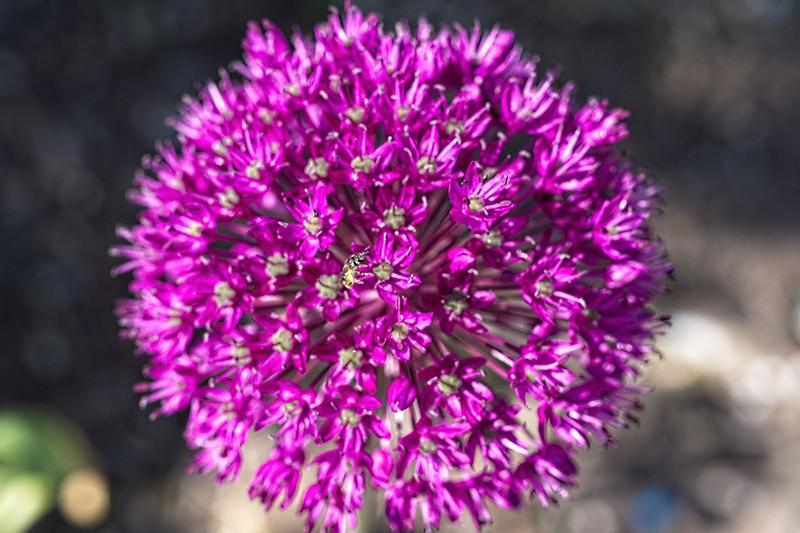
Quick facts
- Watering
- Minimal once established
- Sunlight
- Full sun
- Soil
- Well-drained, moderately fertile
- Humans
- Toxic
- Cats
- Toxic
- Dogs
- Toxic
- Height
- 80–100 cm
- Spread
- 8–10 cm
- Spacing
- 15–20 cm apart
- RHS recognition
- Award of Garden Merit
About Allium
Allium hollandicum is a striking ornamental bulb native to Central Asia, prized for its spherical purple flower heads that appear in late spring. Growing up to 100cm tall, these architectural plants produce dense globes of star-shaped flowers atop sturdy stems, creating dramatic vertical accents in borders and gravel gardens. UK gardeners value alliums for their long-lasting blooms, excellent pollinator appeal, and ability to bridge the gap between spring bulbs and summer perennials. The dried seed heads remain attractive well into autumn, providing structural interest and wildlife habitat.
UK fact: Allium hollandicum 'Purple Sensation' holds the RHS Award of Garden Merit and has become one of the most popular ornamental alliums in British gardens since its introduction, performing reliably even in cooler northern regions.
Watering Allium
Water bulbs after planting in autumn to settle the soil, then rely on natural rainfall through winter and spring. During the growing season, water only during prolonged dry spells, as alliums prefer drier conditions and are susceptible to rot in waterlogged soil. Once foliage begins to yellow after flowering, cease watering entirely to allow the bulbs to enter dormancy. Established clumps rarely need irrigation in typical British summers.
Sunlight requirements
Plant in a position receiving at least six hours of direct sunlight daily for optimal flowering. South-facing or west-facing borders are ideal in the UK, though they'll tolerate light dappled shade in the afternoon. Insufficient light causes weak, floppy stems and reduced flowering, so avoid planting beneath trees or in the shadow of buildings.
Soil and feeding
Grow in any moderately fertile soil with sharp drainage; sandy loams and chalky soils are ideal. Heavy clay must be improved with horticultural grit and organic matter, or plant bulbs in raised beds to prevent winter waterlogging. Alliums tolerate a wide pH range from slightly acidic to alkaline (pH 6.0-8.0) but perform best in neutral to slightly alkaline conditions. Avoid freshly manured ground, which can cause bulb rot.
Scatter a general-purpose granular fertiliser such as blood, fish and bone around emerging shoots in February or March. Avoid high-nitrogen feeds, which promote foliage at the expense of flowers. A light top-dressing of compost in autumn provides sufficient nutrients for most soils.
Pruning Allium
Remove faded flower heads after blooming if you wish to prevent self-seeding, though many gardeners leave the attractive seed heads for autumn interest. Allow the foliage to yellow and wither completely before removing it, typically six to eight weeks after flowering; premature removal weakens the bulbs. The strap-like leaves can look untidy as they fade, so plant alliums among later-flowering perennials that will disguise the dying foliage. Cut stems back to ground level once fully brown.
Propagating Allium
Lift and divide congested clumps every three to four years in September or October, separating offset bulbs and replanting immediately at the correct depth. Alliums also self-seed readily in favourable conditions; transplant seedlings when dormant, though they'll take three to four years to reach flowering size. Fresh seed can be sown in pots in autumn and overwintered in a cold frame, but germination is erratic. Division maintains the characteristics of named cultivars, whereas seed-grown plants may vary.
Common problems
Alliums are generally trouble-free but can suffer from onion white rot, a persistent soil-borne fungal disease causing yellowing foliage and fluffy white growth on bulbs; affected plants must be removed and the area avoided for alliums for at least eight years. Downy mildew may cause grey-purple patches on leaves in damp conditions, though it rarely affects flowering. Leek moth caterpillars occasionally tunnel into stems and bulbs, causing collapse; inspect regularly and remove affected growth. Slugs and snails may damage emerging shoots in spring, particularly in wet seasons.
Spot a problem with your plant? Photograph the affected area using the Loam app and it will suggest the most likely cause and treatment.
Safety
- Humans
-
Toxic
All parts contain compounds that can cause stomach upset, nausea and vomiting if ingested. Handle with care and wash hands after contact.
- Cats
-
Toxic
Contains N-propyl disulphide, which damages red blood cells and can cause haemolytic anaemia. Keep cats away from all parts of the plant.
- Dogs
-
Toxic
Contains thiosulphates that can cause gastrointestinal upset and, in larger quantities, haemolytic anaemia. Prevent dogs from chewing or ingesting any part.
Toxicity information is for general guidance only. If a person or pet has been exposed to this plant and you are concerned, seek advice from a medical professional or vet.
Seasonal care calendar
Monthly care guide for Allium in the UK, based on average conditions.
| Month | Care tasks |
|---|---|
| January | No action needed; bulbs are dormant underground. |
| February | Watch for emerging shoots and apply a balanced granular fertiliser around the base of plants. |
| March | Protect emerging foliage from slugs and snails. Weed around plants carefully to avoid damaging shoots. |
| April | Flower buds begin to form. Water during dry spells and stake tall varieties if necessary. |
| May | Peak flowering period. Enjoy the blooms and monitor for pests. Deadhead if desired once flowers fade. |
| June | Late flowers finish. Allow foliage to yellow naturally; avoid cutting back green leaves. |
| July | Foliage dies back completely. Remove brown leaves and stems. Cease watering to allow bulbs to rest. |
| August | Bulbs are dormant. Plan new planting schemes and order bulbs for autumn planting. |
| September | Ideal time to plant new bulbs or divide established clumps. Plant 15cm deep in well-drained soil. |
| October | Continue planting bulbs until mid-month. Water newly planted bulbs to settle soil and encourage rooting. |
| November | Finish planting by early November. Apply a light mulch of grit to improve drainage around bulbs. |
| December | No action needed; bulbs are establishing roots underground ready for spring growth. |
Frequently asked questions
- When should I plant allium bulbs in the UK?
- Plant allium bulbs in autumn, ideally between September and November, to allow them to establish roots over winter. This timing ensures the best flowering performance the following spring. Spring-planted bulbs often fail to flower in their first year and may perform poorly.
- Why didn't my alliums flower this year?
- Common causes include planting too shallowly, waterlogged soil causing bulb rot, insufficient sunlight, or bulbs that are too small or immature. Ensure bulbs are planted 15cm deep in full sun with excellent drainage. The Loam app can help diagnose specific problems with your alliums and provide personalised care reminders to prevent issues in future seasons.
- Can I divide allium bulbs to create more plants?
- Yes, established allium clumps can be divided every 3-4 years to propagate new plants and maintain vigour. Lift bulbs in late summer after foliage has died back completely, gently separate offset bulbs from the parent, and replant immediately at 15cm depth. Divided bulbs typically flower within one to two years.
Got a question about growing Allium that isn't covered here? Ask the Garden Advisor in the Loam app. It knows your saved plants and local conditions.
Related plants
This page was compiled with AI assistance and reviewed by our team. .